
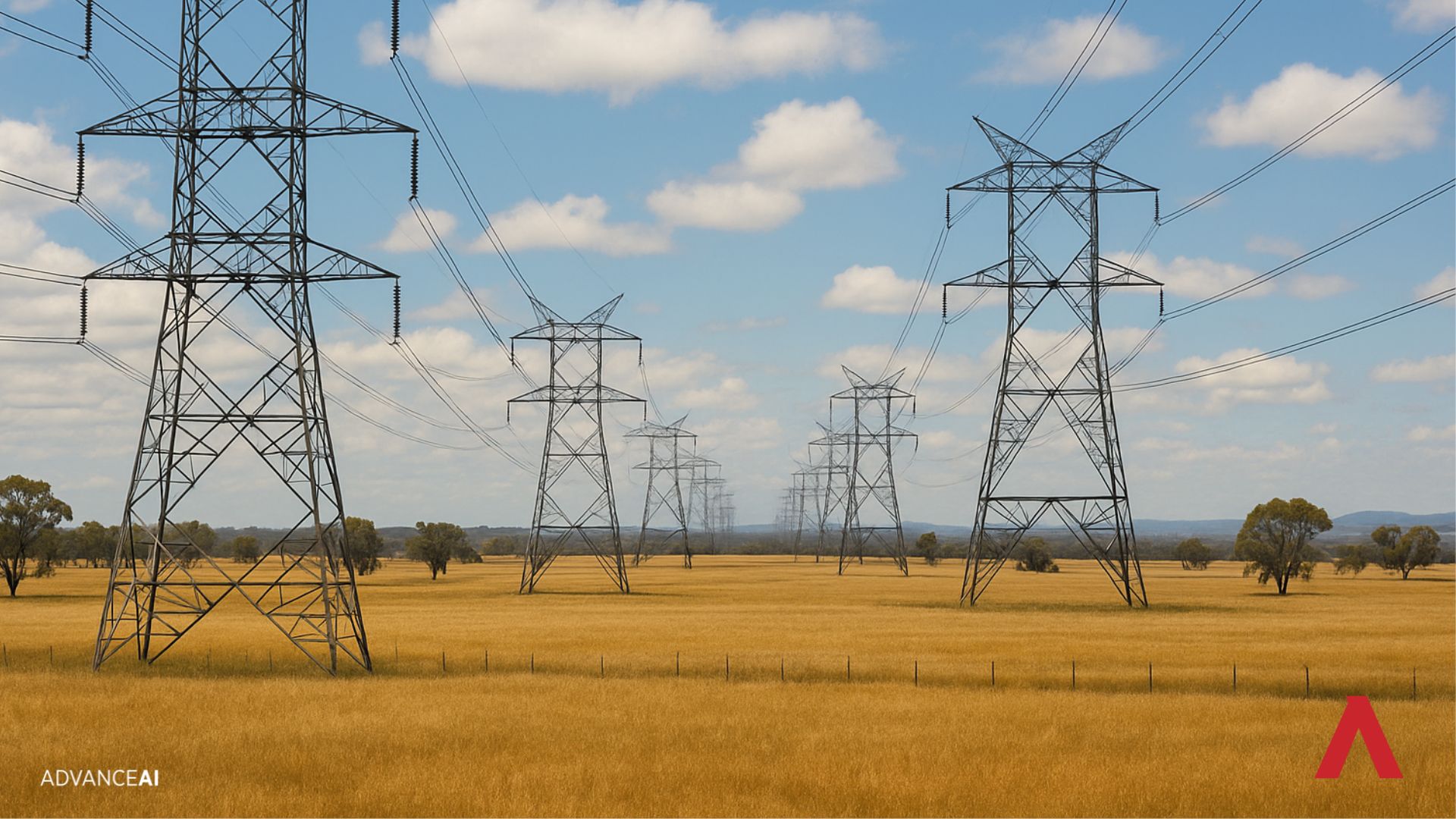
Ten more years of this
Get ready for ten more years of this.
Ten more years of ever-increasing power prices.
Ten more years of an unstable, unreliable power grid.
Ten more years of the government having to bail out critical industries because the energy grid is too expensive.
That’s the hidden revelation in The Sydney Morning Herald today, which reports the Albanese government is on the brink of announcing a gas reservation policy.
Australia has been happily shipping our massive gas supply to help power other countries, but so far has been very reluctant to use it ourselves, thanks to activist pressure.
That’s despite every official Net Zero model insisting Australia needs baseload gas.
The Herald says this is “one more intervention” into the electricity market, which, if you look under the hood, is what the entire Net Zero regime is. Endless interventions to try and make technology that doesn’t deliver the power we need work.
Just one more intervention bro, just one more intervention and we’ll be in energy utopia.
But the real juice is here:
High east coast gas prices, which have tripled over the past decade and are steeper than competitor nations, have pushed the Albanese government to spend billions bailing out large metal smelters in Mt Isa and Port Pirie, and they are widely expected to provide a lifeline to Tomago’s aluminium smelter.
Rising wholesale prices are also feeding into higher household power bills, which the energy market operator warned could continue for a decade, risking ongoing public support for the green transition.
Did you catch that?
…higher household power bills, which the energy market operator warned could continue for a decade.
That’s a remarkable admission.
It reveals that Chris Bowen, Albanese, and Labor have been lying about Net Zero delivering cheap, reliable power.
It exposes the whole thing as a sham.
And note the next bit: “risking ongoing public support for the green transition.”
You don’t say, mate.
To steal a joke: Some people say the problem with rising power prices is that it erodes public support for the green transition. I disagree; I think the problem is the higher power bills.
Do you like this page?